Understanding Nicotine Pouch Strengths: A Guide to Finding Your Level
What Does Nicotine Pouch Strength Actually Mean?
When you first look at a nicotine pouch, the numbers on the can might seem straightforward. A pouch labelled "10 mg" sounds like it contains ten milligrams of nicotine. But the reality is a little more complicated, and understanding what those numbers really mean is key to having a good experience. Nicotine pouch strength isn't just about the raw milligram count; it involves how the nicotine is delivered, how your body absorbs it, and how the pouch itself is made.
Different brands use different ways to describe their strengths. Some use a simple number of milligrams per pouch, while others use descriptive terms like "mild," "regular," or "strong." A few might even list a percentage. This variation can be confusing, especially if you are switching between products. The good news is that once you know what to look for, you can make an informed choice that suits your preferences and habits.
Milligrams Per Pouch: The Starting Point
The most common way to measure nicotine pouch strength is by the weight of nicotine in each individual pouch, usually given in milligrams (mg). A pouch might contain anywhere from 2 mg to over 50 mg, depending on the brand and the intended user. For someone new to nicotine pouches, starting with a lower milligram count - typically between 2 mg and 6 mg - is a sensible approach. More experienced users often reach for pouches in the 8 mg to 15 mg range, while very strong products can go much higher.
However, the milligram number alone does not tell the whole story. The way the nicotine is bound inside the pouch affects how quickly and how much of it is released. Nicotine in pouch form is usually a salt, which is more stable and absorbs differently than freebase nicotine found in some other products. This means that a 10 mg pouch from one brand might feel stronger or weaker than a 10 mg pouch from another brand, simply because the nicotine salt content and the release profile are different.
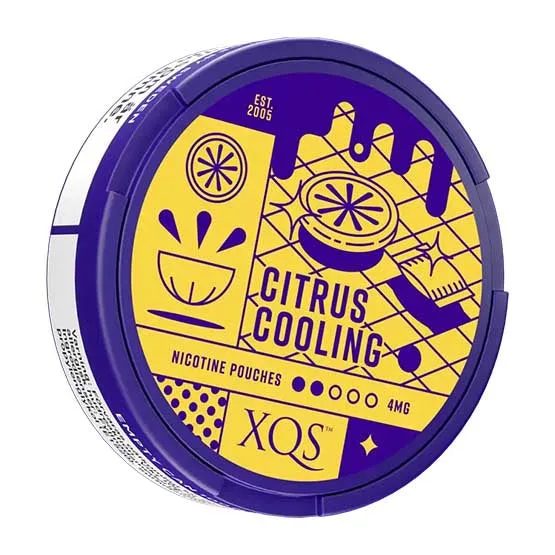
Strength Labelling: Not Always Consistent
Manufacturers label their products in various ways, and there is no single global standard. In Europe, for example, pouches are often labelled with the nicotine content in milligrams per pouch, and sometimes also as a percentage of the total weight. In the United States, labelling can be more variable. Some brands use a colour-coded system or simple words to indicate strength. This lack of uniformity means that you cannot rely on the label alone.
It is worth checking the actual milligram content on the back of the can rather than just the front marketing. A pouch labelled "strong" might only be 6 mg from one brand, while another brand's "strong" could be 15 mg. The phrase "nicotine pouch strength" is a helpful concept to keep in mind because it reminds you that strength is a combination of factors, not just a single number. The industry is gradually moving toward more transparent labelling, but for now, a bit of research goes a long way.
Portion Size and Moisture Content
Two other factors that influence how a pouch feels are its size and how wet or dry it is. Portion size refers to the physical dimensions of the pouch. Slim pouches are smaller and fit more discreetly under the lip, while larger, original-size pouches have more surface area. A larger pouch can release nicotine more quickly because more of the pouch is in contact with your gum. So a slim pouch with 10 mg of nicotine might feel gentler than an original-size pouch with the same 10 mg.
Moisture content also plays a role. Dry pouches tend to release nicotine more slowly because the nicotine is locked in the dry fibres. Moist pouches, often called white or wet pouches, release nicotine faster because the moisture helps dissolve the nicotine salt and carry it into your bloodstream. Some pouches are semi-moist, offering a middle ground. When you are comparing products, pay attention to whether the pouch is described as dry, normal, or moist, as this will affect the experience just as much as the milligram count.
Pouch Placement and Absorption
Where you place the pouch in your mouth also matters. The upper lip is the most common spot because it provides a good blood supply and keeps the pouch out of the way. Placing it further back or on the side can change how quickly the nicotine hits you. The lining of the mouth absorbs nicotine, but the rate of absorption depends on blood flow and the condition of the tissue. Moving the pouch around can help you fine-tune the strength you feel.
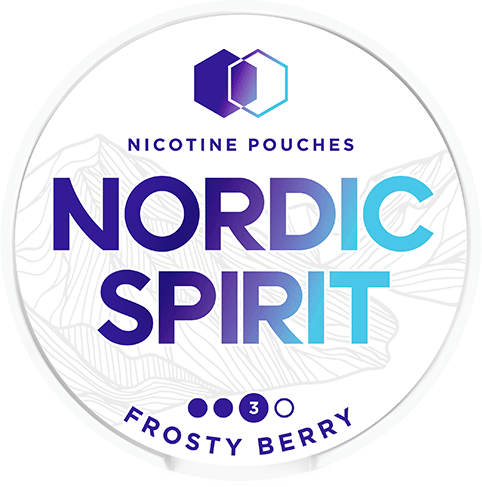
Some users find that a pouch feels stronger if they keep it in for a shorter time, because the initial release is often the most intense. Others prefer to leave it in longer for a steadier, milder effect. There is no right or wrong way, but experimenting with placement and duration can help you match the pouch to your desired sensation without needing to change the product itself.
Using a Strength Chart
Many online retailers and brands provide a strength chart that maps different products by their milligram content and their perceived intensity. These charts can be a useful tool when you are trying something new. They often list the brand, the pouch weight, the nicotine per pouch, and a subjective strength rating. While these charts are not perfect - because everyone's tolerance is different - they give you a ballpark idea of where a product sits relative to others.
When using a strength chart, look for the milligrams per pouch first, then check the portion size and moisture description. A chart that only lists milligrams might not tell you the whole story, but it is a good starting point. If you are moving from one brand to another, comparing these details can help you avoid picking something that is far stronger or weaker than you expect.
Listening to Your Body
Ultimately, the best guide to nicotine pouch strength is your own experience. Start low and go slow. If you are new to pouches, choose a product with a low milligram count and a slim, dry format. Give your body time to adjust before moving up. If you feel lightheaded, nauseous, or get hiccups, that is a sign the strength is too high for you at that moment. Everyone's tolerance changes over time and depends on factors like what you have eaten, how hydrated you are, and how much you have used previously.
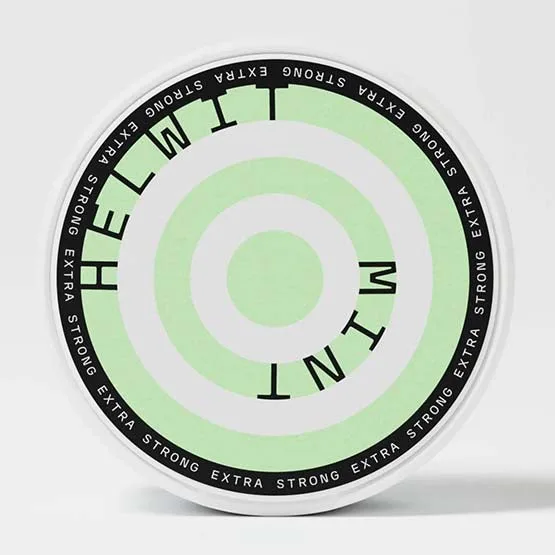
It is also worth remembering that using a pouch with a higher nicotine content does not mean you are getting a better product. The right strength is the one that meets your needs without causing discomfort. Many people find that a moderate strength, used consistently, gives them the most satisfaction. There is no prize for using the strongest pouch on the shelf.
Final Thoughts
Choosing the right nicotine pouch strength involves a bit of detective work, but it is not complicated once you understand the variables. Look beyond the front label. Check the milligrams per pouch, consider the portion size and moisture content, and pay attention to how different placements affect you. Use strength charts as a reference, but trust your own reactions more. The market offers a wide range of options, from very mild to extremely strong, so there is something for everyone. By taking a thoughtful approach, you can find a product that fits comfortably into your routine without surprises.